
Trump’s Tariffs: How can UK Businesses prepare?
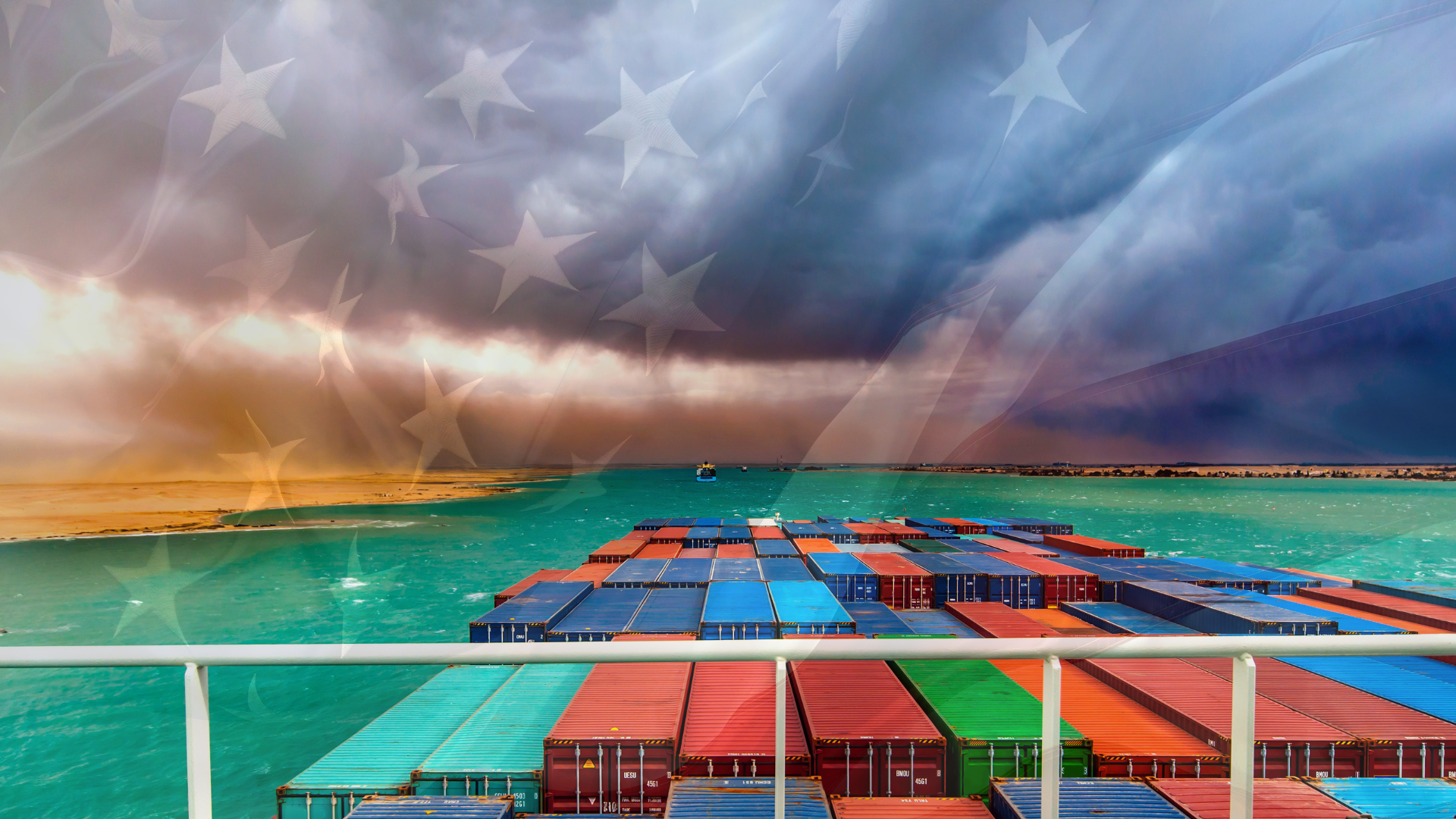
In an era of shifting global trade policies, UK businesses face mounting uncertainty as the possibility of renewed US tariffs under a second Trump administration looms large. Proposals such as a 10% universal tariff on all foreign-made goods and a 100% tariff on imported vehicles have the potential to disrupt supply chains and challenge the competitiveness of British exporters. Understanding these risks and preparing proactive strategies will be critical for businesses navigating this challenging landscape.
Understanding the Tariff Landscape
US tariffs have long been a tool for protecting domestic industries, but the proposed scope of these new measures marks a significant escalation. According to the London School of Economics (LSE), the Trump campaign’s 2024 proposals include a baseline 10% universal tariff and targeted measures like a 100% tariff on imported vehicles, potentially impacting key sectors such as automotive, manufacturing, and agriculture.
Moreover, a report by EY highlights that such sweeping tariffs could result in higher consumer prices and reduced competitiveness for exporters globally. During previous tariff implementations, US steel prices surged by 60–100%, causing ripple effects throughout international supply chains.
The Financial Times adds that the differential treatment of Chinese and European goods—60% tariffs on Chinese products compared to 10% on European imports—might create short-term opportunities for UK businesses but exacerbate trade tensions in the long run.
“..businesses relying on US imports for raw materials or components could see production costs rise significantly.”
Potential Impacts on UK Businesses
Sectoral Vulnerability: The LSE report predicts that sectors such as transport equipment (e.g., automotive manufacturing) would face the brunt of the tariffs. Germany’s automotive industry is projected to suffer a 0.23% GDP loss, while the UK’s decline is estimated at 0.14%. This underscores the importance of sector-specific strategies.
Supply Chain Disruptions: Companies with integrated supply chains involving the US may experience higher costs and delays. The Economist notes that businesses relying on US imports for raw materials or components could see production costs rise significantly, potentially forcing them to seek alternative suppliers.
Market Diversification Challenges: The Financial Times suggests that the proposed tariffs could lead UK exporters to diversify into other regions, such as Asia or the EU. However, this strategy requires careful planning to avoid additional geopolitical and logistical risks.
Proactive Strategies for Business Leaders
Scenario Planning
As emphasised by the LSE, businesses must model tariff impacts on cash flow, pricing, and supplier relationships. Financial scenario planning enables leaders to anticipate disruptions and adapt swiftly.Market and Supply Chain Diversification
Both the LSE and EY suggest reducing dependency on the US market by exploring opportunities in Asia, Europe, and emerging economies. Building relationships with local or regional suppliers can also mitigate exposure to transatlantic trade shocks.Industry Advocacy
The LSE highlights the importance of collective action. UK business leaders should collaborate with industry groups to advocate for targeted government support, such as subsidies or tax incentives for exporters in vulnerable sectors like automotive manufacturing.Leveraging Trade Agreements
Post-Brexit, the UK has the flexibility to negotiate bilateral trade agreements. Proactive engagement with the US could help secure exemptions for key industries or develop mutually beneficial trade policies, as highlighted by the Financial Times.
UK Government Actions: Strategic Hedging
In response to potential US tariffs, UK political leaders are exploring stronger economic ties with other global partners:
Closer EU Relations: Chancellor Rachel Reeves has advocated for resetting the UK's relationship with the EU to reduce trade barriers and stimulate economic growth. She emphasises that this approach is about "doing what is in the best interests of our shared economies.”
Engagement with China: Prime Minister Keir Starmer has expressed the importance of a "strong UK-China relationship" for both countries. This engagement aims to foster economic opportunities and diversify trade partnerships.
These initiatives can be seen as strategic hedges to mitigate the impact of potential US tariffs by broadening the UK's economic alliances.
Case Study: Navigating US Tariffs
Jaguar Land Rover (JLR):
During the US-China trade tensions, JLR, a major UK-based automaker, faced rising costs due to tariffs on imported components. Instead of waiting for policy changes, the company diversified its supply chain by sourcing critical parts from suppliers in countries unaffected by tariffs. Additionally, JLR ramped up its production capacity in the US to mitigate exposure to import duties on finished vehicles. This dual strategy of regional diversification and localised production ensured continued market access and cost stability amidst policy uncertainty.Unilever’s Global Supply Chain Resilience:
In response to escalating trade disputes in 2018, Unilever implemented a "multi-local" sourcing strategy, prioritising regional suppliers over global ones. By decentralising their supply chain, they reduced their reliance on single markets and suppliers, enabling faster adjustments to tariff-related disruptions. This approach also allowed Unilever to manage price fluctuations and maintain competitive pricing for their products.Dyson’s Pivot to Innovation and Market Expansion:
Faced with the volatility of tariffs and shifting consumer trends, Dyson expanded into new product categories (e.g., personal care and health technology) and entered emerging markets in Asia. By diversifying its revenue streams and focusing on high-margin products, Dyson was able to offset potential losses from tariff-affected regions.Rolls-Royce’s Adaptive Production Strategy:
Rolls-Royce, a leader in aerospace and engineering, responded to tariff uncertainties by investing in digital twins and predictive analytics for supply chain management. These tools allowed the company to simulate various tariff scenarios, optimise production schedules, and identify cost-saving opportunities in real time, ensuring agility in their operations even under fluctuating trade policies.
Takeaways for Business Leaders
These examples demonstrate that agility and flexibility are the cornerstones of resilience in uncertain times. Key strategies include:
Decentralising Supply Chains: Building regional supplier networks reduces exposure to single-market risks.
Scenario Modelling: Leveraging data and analytics tools to predict impacts and test contingency plans.
Diversifying Revenue Streams: Expanding product portfolios and geographic markets mitigates over-reliance on any one region.
Localising Production: Shifting manufacturing closer to key markets reduces tariff exposure and logistics costs.
By preparing for unclear and conflicting messages from policymakers, as seen with Trump’s proposed tariffs, businesses can position themselves to adapt quickly and maintain competitiveness.