Polarising on purpose: what leaders can learn from Jaguar’s reset
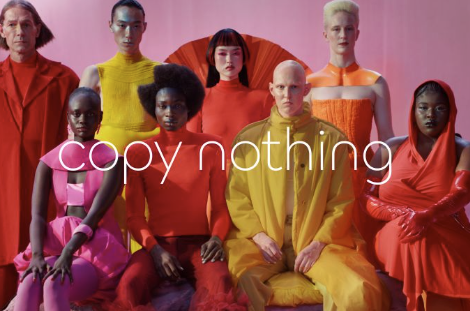
I’ll say the unpopular thing first: I don’t like the creative direction of Jaguar’s new brand world. It’s not to my taste. The typography doesn’t move me. The “fashion film” feel does nothing for me.
But as a marketing and strategy move, it’s one of the boldest, clearest resets I’ve seen from a legacy brand in years.
And that’s worth studying, especially if you’re a CEO or owner trying to reposition a business that’s drifted, diluted, or simply stopped being talked about.
Jaguar isn’t just changing a logo. It’s making an argument about who it is for, what it stands for, and what it’s prepared to sacrifice to get there.
The move that matters most: Jaguar created space by stopping the noise
One detail is doing a lot of heavy lifting here: Jaguar has effectively created a firebreak between the old world and the new by pausing production and sales while it develops the next era of cars. That’s not window dressing. That’s a strategic decision with real cost attached.
Most companies try to transform while keeping everything running exactly as it is. Same offer, same customers, same sales targets, same internal politics. They “rebrand” on top of an organisation that hasn’t really changed.
Jaguar has gone the other way: stop, create distance, then reintroduce itself.
That single choice tells you the leadership team understands something many businesses don’t:
If you want a different future, you can’t keep feeding the old one.
The “Copy Nothing” idea is the right kind of simple
Jaguar’s line is clear: Copy Nothing. It ties back to founder Sir William Lyons (“a Jaguar should be a copy of nothing”) and it gives the organisation a usable filter for decisions.
Whether you love the output or not, the principle is strong because it’s:
Memorable: two words, easy to repeat internally.
Directional: it forces choices, not debates.
Demanding: it raises the bar for product, experience, and comms.
And Jaguar has backed that principle with a visual system they’re calling “Exuberant Modernism”, including a deliberate colour strategy built around primary colours, texture, and movement.
You don’t have to like it. You just have to recognise what it’s doing: it’s creating a consistent world, not a campaign.
The ad didn’t show a car. That’s not a mistake. That’s the point.
People are angry because they expected an automotive ad, and they didn’t get one. The backlash was instant. Jaguar’s leadership defended the decision explicitly: if they play like everyone else, they get drowned out.
From a marketing perspective, it’s a very particular bet:
Attention first: get the world looking up from its phone.
Meaning second: signal a shift in identity.
Product later: reveal the metal once the stage is set.
It’s the opposite of safe. It’s also how you change the conversation when you’ve become wallpaper.
And the results, in pure reach terms, were immediate: huge view counts, constant commentary, and mainstream coverage.
The outrage is not collateral damage. It’s part of the distribution plan.
Here’s the bit many leaders miss: polarisation is a feature when your current position isn’t working.
Jaguar has been clear that it’s “not afraid to polarise”, and the internet has obligingly done the rest.
You even had political-media types jumping on it within hours.
If Jaguar’s target is younger, global, design-led, arts and culture adjacent, then being criticised by that crowd is not necessarily a problem. In some categories it’s close to a signal that you’ve left the old room.
This is the uncomfortable truth: sometimes the fastest way to find your future customer is to disappoint your past one.
That doesn’t make it morally superior. It makes it strategically coherent.
If you’re going to go, go hard or go home
That’s the line running through this whole thing.
Jaguar hasn’t gone for a gentle evolution. It’s gone for a complete reset. It has said, openly, that it is returning to originality and building a new Jaguar for the future.
I respect that, even if I don’t love the aesthetic.
Because half-measures create the worst of both worlds:
You upset loyalists, and
You fail to attract anyone new.
A soft rebrand is often just an expensive meeting.
The risk is real: brand theatre without product truth gets punished
This is where I stop clapping and start squinting.
Jaguar is making a very loud promise. Now it has to deliver cars and an ownership experience that feel as original as the story it’s telling.
So yes, this is brave. But bravery isn’t the outcome. Outcomes are outcomes.
What I’d take from this if I’m running a business
If you’re leading a company through repositioning, a few lessons are staring us in the face:
Create a clean break: transformation needs space. That can be operational, commercial, or narrative space.
Build a usable idea: “Copy Nothing” is simple enough to guide choices beyond marketing.
Don’t fear polarisation: if your current brand is bland, being divisive can be a step towards being distinct.
Expect the culture war: if your move creates attention, you’ll attract commentators who were never your customer. Plan for it.
Match promise with delivery: the bolder the story, the more unforgiving the market if the product doesn’t follow.
Final thought
I don’t need to like the creative to recognise the strategy.
Jaguar has made a long-term bet: reset the brand, reset the customer, then rebuild the product line around a sharper point of view. Whether it works will take time.
But in a world full of timid refreshes, it’s at least a serious attempt to win a different future.
Book an Intro Call
If you’re considering a repositioning, a new go-to-market, or a reset after a few tough quarters, I can help you think it through properly. No big pitch. Just a clear conversation and a few practical next steps.